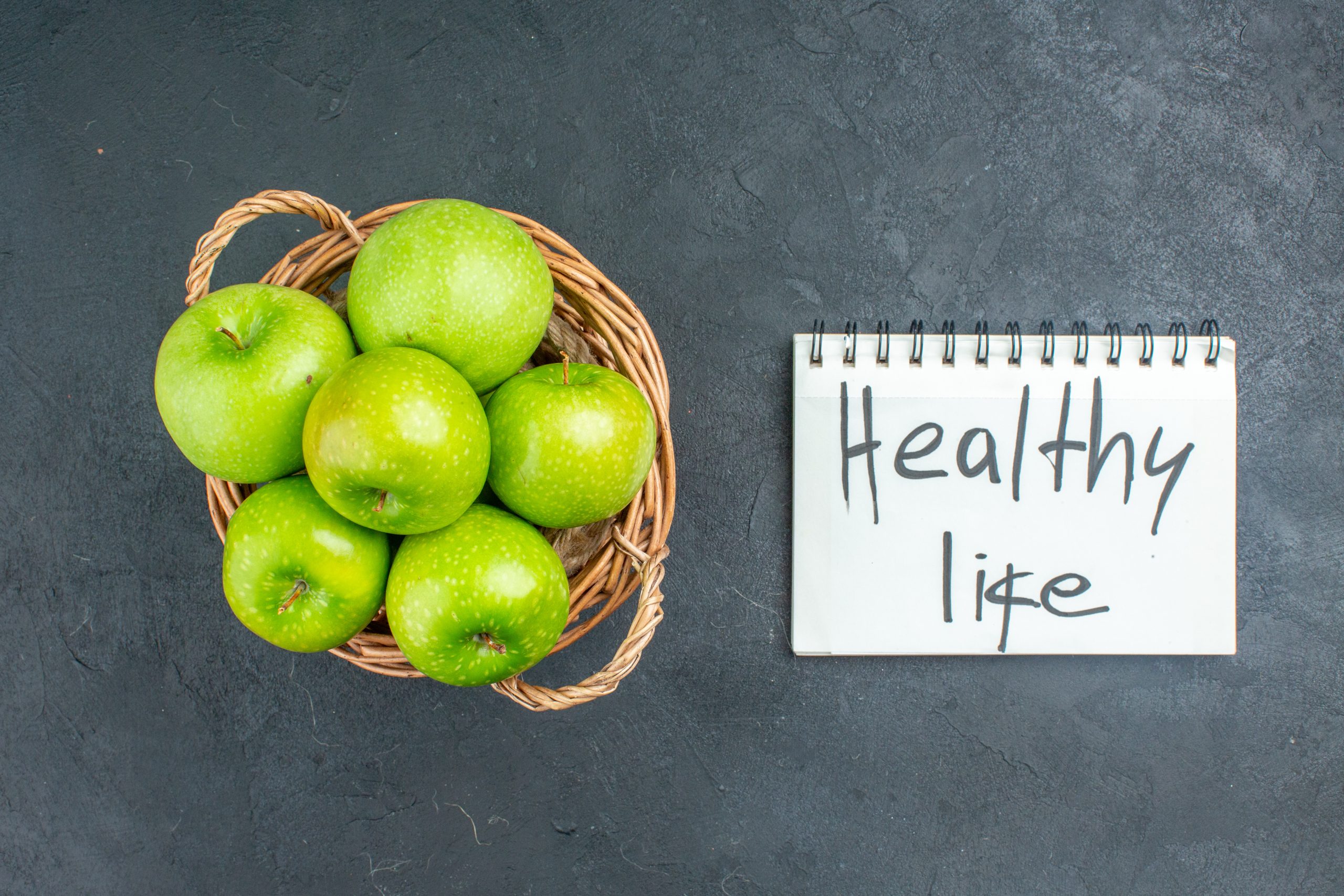

When we think of apples, we imagine freshness, crunch, and natural sweetness. But one question health-conscious people in the USA often ask is: Do apples have iron? Iron is an essential mineral for energy, red blood cells, and overall wellness. Since apples are a popular fruit across the country, it makes sense to wonder if they contribute to your daily iron intake.
The answer is yes, apples do have iron, but in smaller amounts compared to iron-rich foods like spinach or red meat. Still, apples bring unique health benefits. In this article, we’ll explore apple iron content per 100g, how apples affect iron absorption, the role of apple juice, and whether eating apples can really make a difference for your iron levels.
Apple Iron Content Per 100g
If you’re wondering, do apples have iron per 100g, the answer is that raw apples typically contain about 0.1 to 0.2 mg of iron per 100 grams. While this is a modest amount, it can still contribute to your overall intake, especially if you enjoy apples regularly as part of your daily diet.
Apples are not classified as high-iron fruits, but they shine in another way: they contain Vitamin C, which helps the body absorb iron from other plant-based foods. So even though apples may not pack a high dose, their presence in your diet still supports iron metabolism. Next time you grab an apple, remember that it’s not just a crunchy snack; it’s quietly playing a role in your nutritional balance.
Do Apples Have Iron with Skin?
Many people ask whether eating an apple with the skin changes its nutrient value. So, do apples have iron in the skin? The truth is that most of the iron in apples is found in the flesh, but the skin holds valuable antioxidants and fiber. Eating apples whole, with the skin on, ensures you get maximum nutrition, even though the iron difference is small.
For Americans looking for healthier snacks, eating apples unpeeled is a great option. Not only does it slightly improve your nutrient intake, but it also helps with digestion and keeps you fuller for longer. So yes, while the skin doesn’t add extra iron, it enhances the fruit’s overall benefits.
Do Apples Inhibit Iron Absorption?
A common concern is: do apples inhibit iron absorption? Apples do contain compounds like polyphenols, which in large amounts can affect how your body absorbs non-heme iron (the type found in plants). However, this effect is minimal when apples are eaten in normal portions.
In fact, the Vitamin C in apples may actually improve the absorption of iron from other foods like beans or leafy greens. So, while apples alone may not dramatically increase your iron levels, pairing them with iron-rich foods makes them a valuable partner in your diet.
How Much Iron in Apple Juice?
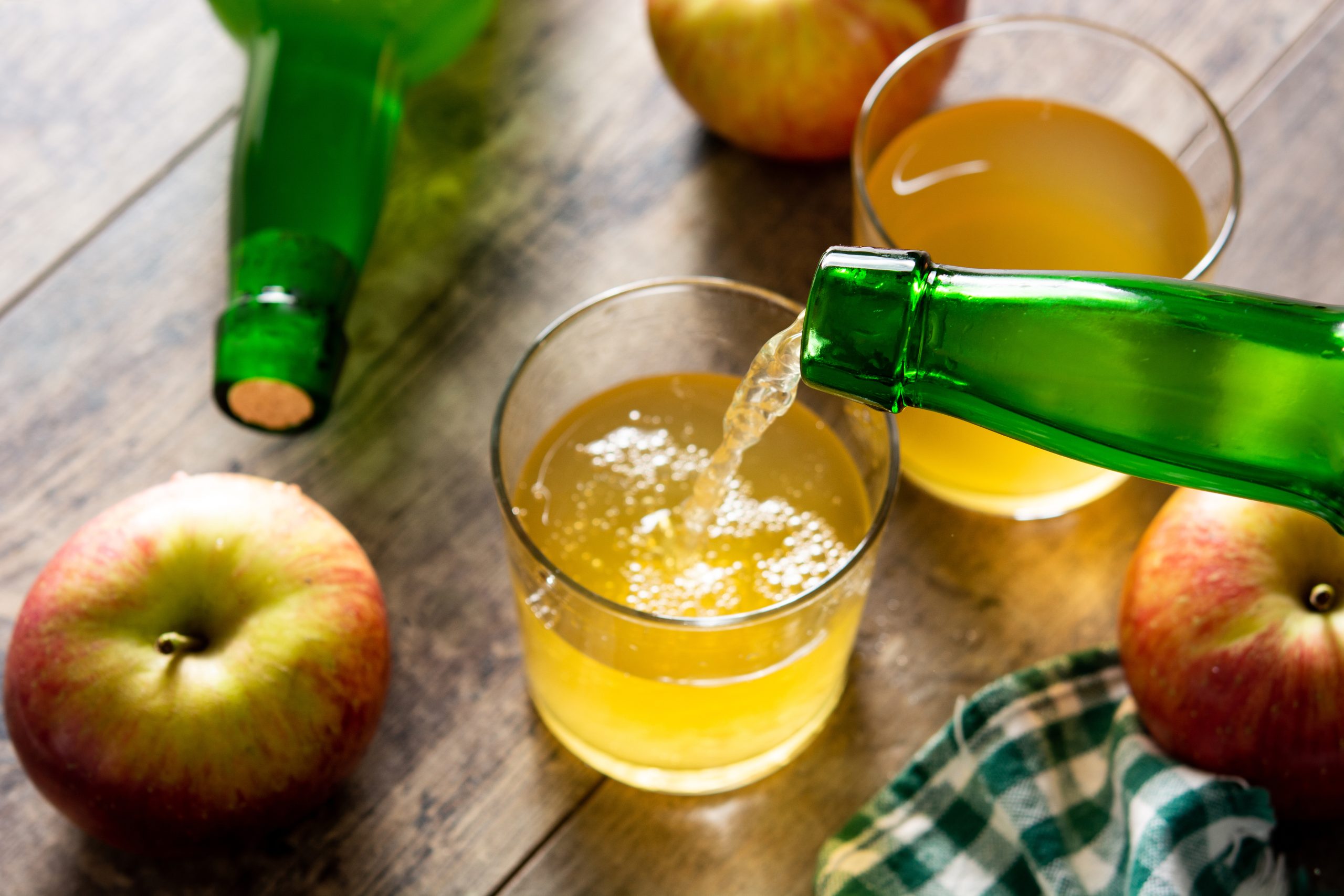
Another frequently asked question is: Do apples have iron in juice form? Apple juice typically contains 0.2 mg of iron per cup, depending on the brand and processing method. Pasteurized juice, commonly sold in the USA, has similar iron levels to the whole fruit.
But here’s the catch: juice often lacks the fiber and fullness of whole apples. Drinking apple juice occasionally can add hydration and a touch of iron, but relying on it for iron intake isn’t ideal. If you’re aiming for better iron absorption, pair apple juice with iron-rich snacks like fortified cereal or nuts

Health Benefits Beyond Iron
Even though, do apples have iron might be the big question, it’s important to remember that apples deliver so much more. They are rich in dietary fiber, Vitamin C, potassium, and antioxidants. These nutrients support digestion, boost immunity, and promote heart health.
Apples are also low in calories, making them a perfect snack for weight management. So while their iron content may be modest, apples play an important role in maintaining overall health. This is why they remain a staple in American households and lunchboxes.
Nutrition Profile of Apples
Looking at the bigger picture, do apples have iron is just one part of their nutrition story. A medium apple (about 182 grams) provides:
- Calories: 95
- Carbohydrates: 25 g
- Fiber: 4 g
- Vitamin C: 14% of the daily value
- Iron: 0.2 mg
Although apples are not iron powerhouses, they complement a balanced diet beautifully. Their combination of nutrients helps keep energy levels steady and supports long-term wellness.
How to Prepare Green Apples for More Nutrition
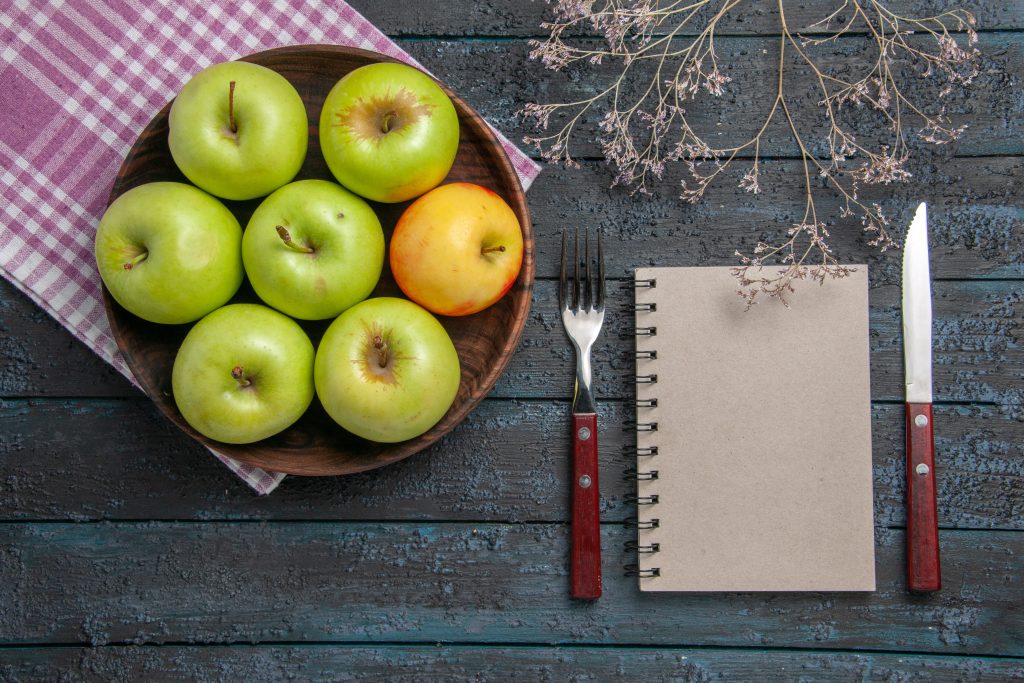
Some Americans prefer tart green apples like Granny Smith. So, do apples have iron when green? Yes, green apples contain roughly the same iron content as red ones. What sets them apart is their slightly higher Vitamin C levels, which can enhance iron absorption from other foods.
Preparing green apples is easy: enjoy them raw, slice them into salads, or blend them into smoothies. Eating green apples with meals that include spinach, lentils, or fortified cereals helps your body absorb iron more effectively.
Can You Get Sick From Lack of Iron in Apples?
It’s important to clarify that apples alone cannot prevent or cure iron deficiency. If you wonder do apples have iron in amounts that prevent anemia, the answer is no. Apples are supportive but not sufficient. Iron deficiency anemia requires more iron-dense foods or supplementation under medical guidance.
That said, apples are a safe and wholesome addition to an iron-rich diet. Pairing them with foods like meat, beans, or leafy greens makes your meals healthier and tastier.
How to Make the Most of Apples for Iron
Since we know that apples have iron in small amounts, the question becomes: how do we maximize it? The key is pairing. Combine apples with iron-rich foods like oats, fortified cereal, or peanut butter. This way, you enjoy the fruit’s refreshing taste while enhancing your body’s nutrient absorption.
Another tip is to enjoy apples as snacks instead of sugary desserts. By making this swap, you get vitamins, fiber, hydration, and a touch of iron all while keeping calories lower and energy levels steady.
Conclusion: Do Apples Have Iron in a Meaningful Way?
So, do apples have iron? Yes, but only in small amounts. While apples are not a primary source of iron, they support your body’s absorption of iron from other foods. Their Vitamin C, fiber, and antioxidants make them a superfood for overall health.
For Americans striving for a healthier lifestyle, apples remain a smart snack. Pair them with iron-rich foods for the best results, and remember they’re not just about iron; they’re about balance, taste, and wellness. Next time you crunch into an apple, enjoy the fact that it’s doing more for your body than you might realize.
FAQs About Apples and Iron
1. Do apples have iron that can prevent anemia?
Apples contain iron, but in small amounts. They cannot prevent anemia alone, but can support an iron-rich diet.
2. Do apples inhibit iron absorption from other foods?
Not significantly. Apples actually help because of their Vitamin C, which boosts iron absorption.
3. How much iron in apple juice compared to fresh apples?
Apple juice has around 0.2 mg per cup, similar to the whole fruit, but lacks fiber.
4. Do green apples have more iron than red apples?
Green apples contain about the same iron, but slightly more Vitamin C, which improves absorption.
5. Do apples have iron in dried form?
Yes, dried apples still contain iron, but the sugar concentration is higher, so they should be eaten in moderation.