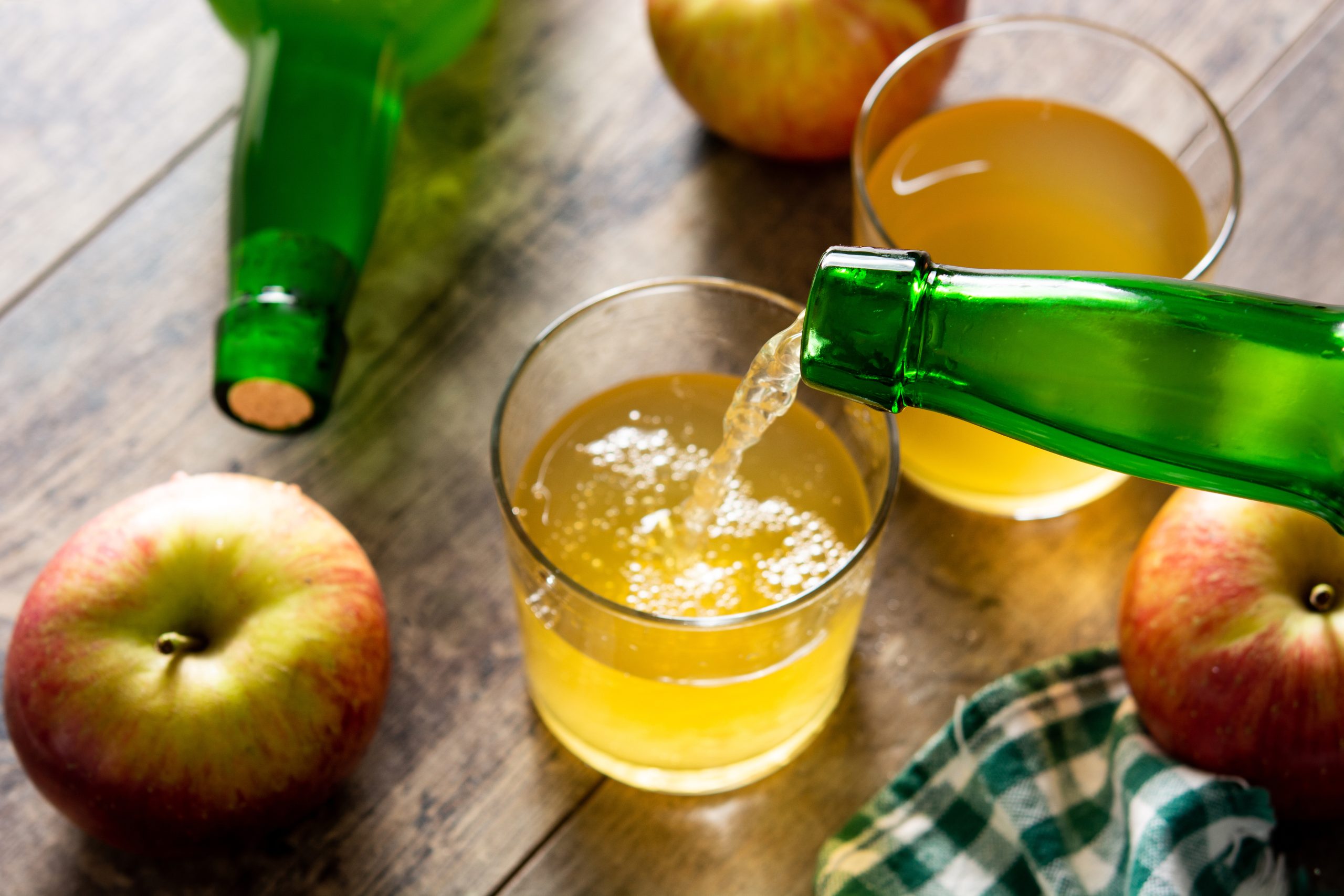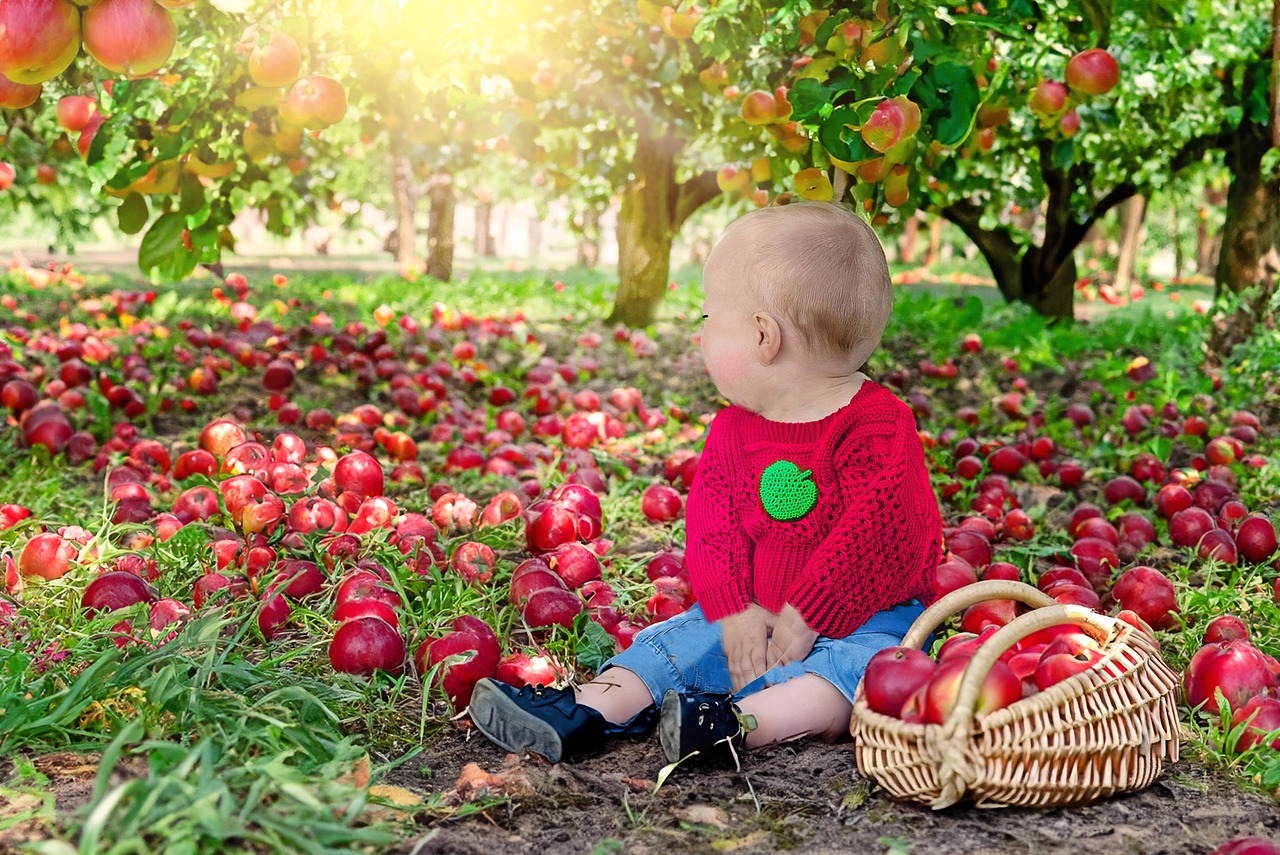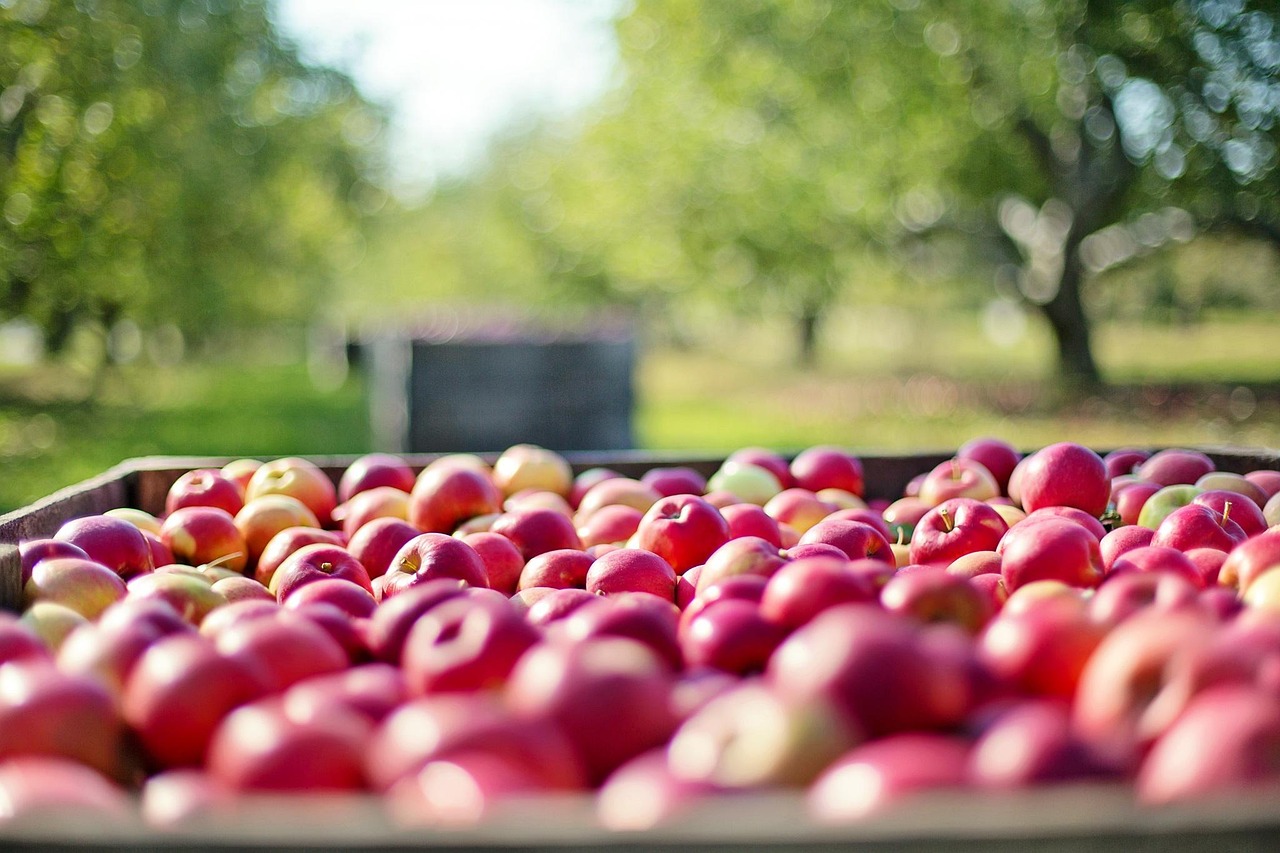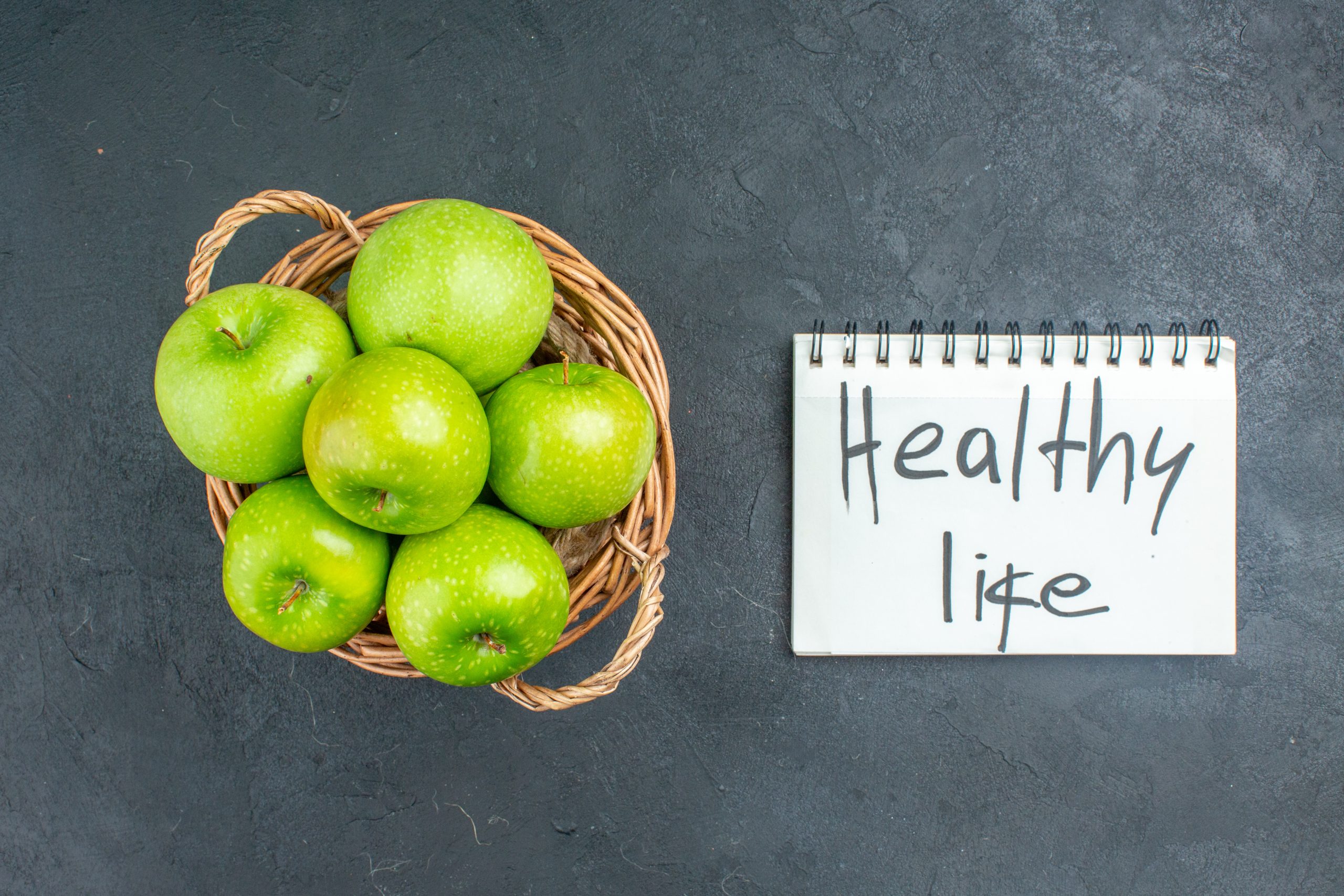

When you think of crisp autumn evenings, cozy gatherings, and a drink that balances sweet fruitiness with a touch of tang, hard apple cider often comes to mind. Loved in the United States for centuries, it’s more than just a beverage; it’s a tradition that connects people to orchards, harvests, and memories. Whether you’re sipping it at a family barbecue or learning how to make it at home, this fizzy favorite always carries a sense of comfort and joy.
But what exactly makes hard apple cider so special? Let’s explore its origins, benefits, variations, and even how you can create your own batches at home.
How to Make Hard Cider Naturally
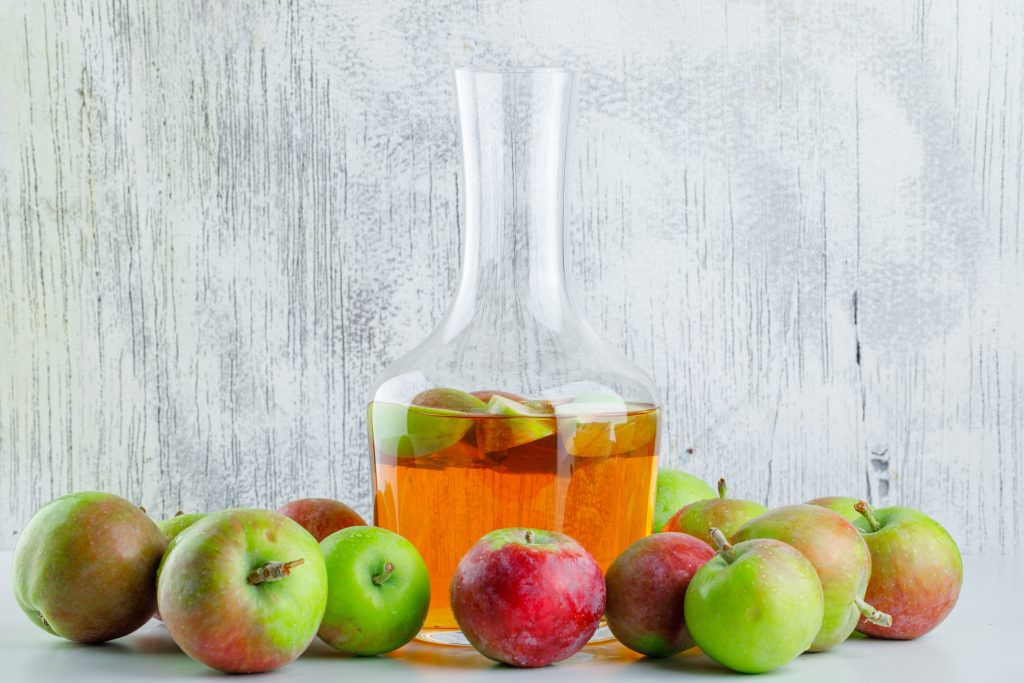
The beauty of hard apple cider lies in its simplicity. Traditionally, cider was made using only apples, natural fermentation, and a patience approach. To make it naturally, you start with fresh-pressed apple juice, leave it uncovered or lightly covered, and allow wild yeast in the environment to do the magic.
This process may take a few weeks to months, but the reward is worth it. The natural fermentation not only brings out the apple’s authentic flavors but also gives you a sense of crafting something real and earthy. Many cider lovers say that this slow, natural approach creates a drink that feels alive and connects them directly to the orchard.
How to Make Hard Cider from Unpasteurized Apple Cider
Unpasteurized apple cider is a popular starting point for those making homemade hard apple cider. Unlike pasteurized juice, which has been heat-treated, unpasteurized cider contains wild yeast and bacteria that help kickstart fermentation. This can result in unique flavors and a more rustic taste.
However, it’s important to be cautious when using unpasteurized juice. It should be fresh, clean, and free from harmful bacteria. Many home brewers strain it, then let it ferment in sanitized containers for a smooth and safe brewing experience.
How to Make Hard Cider from Fresh Apples
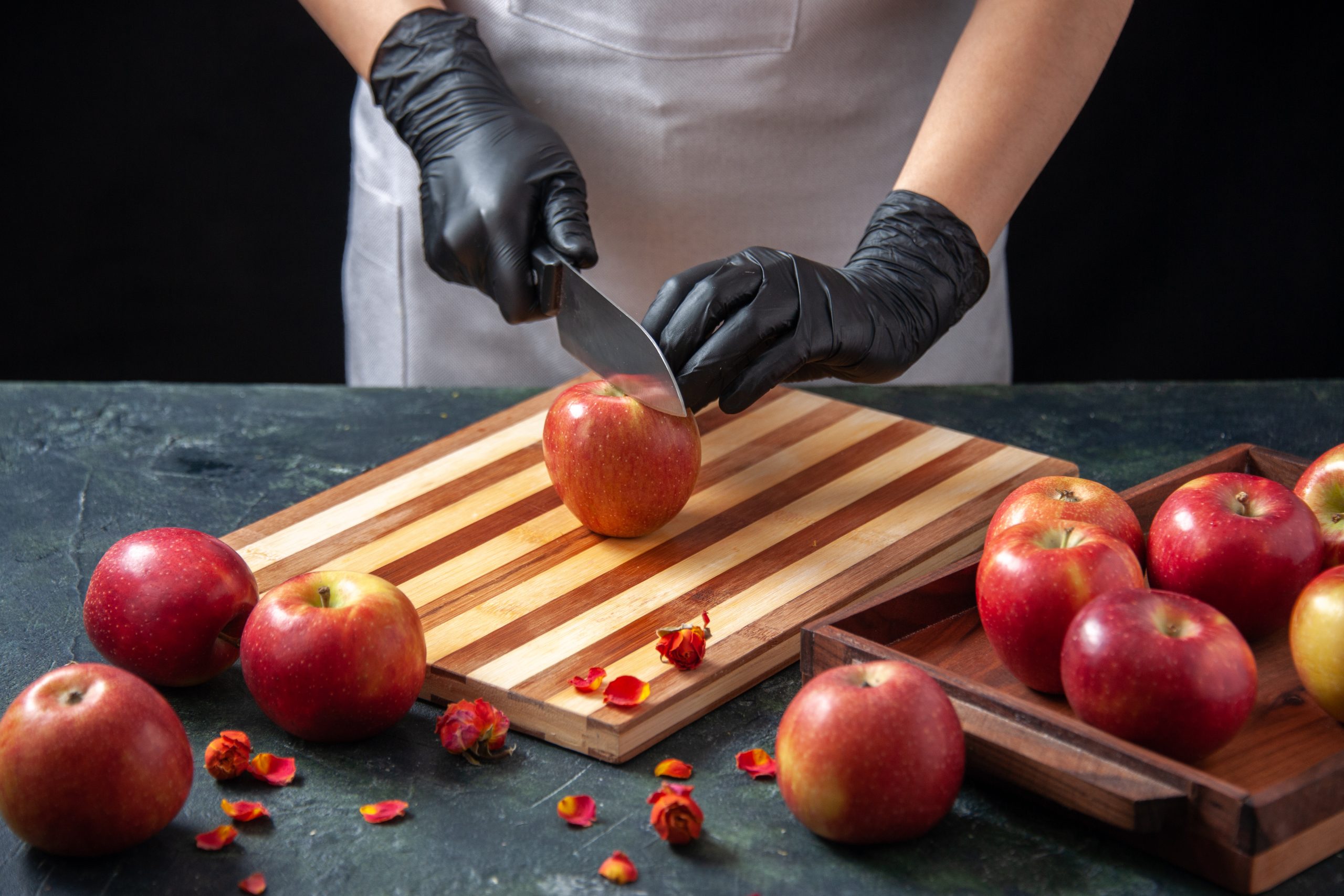
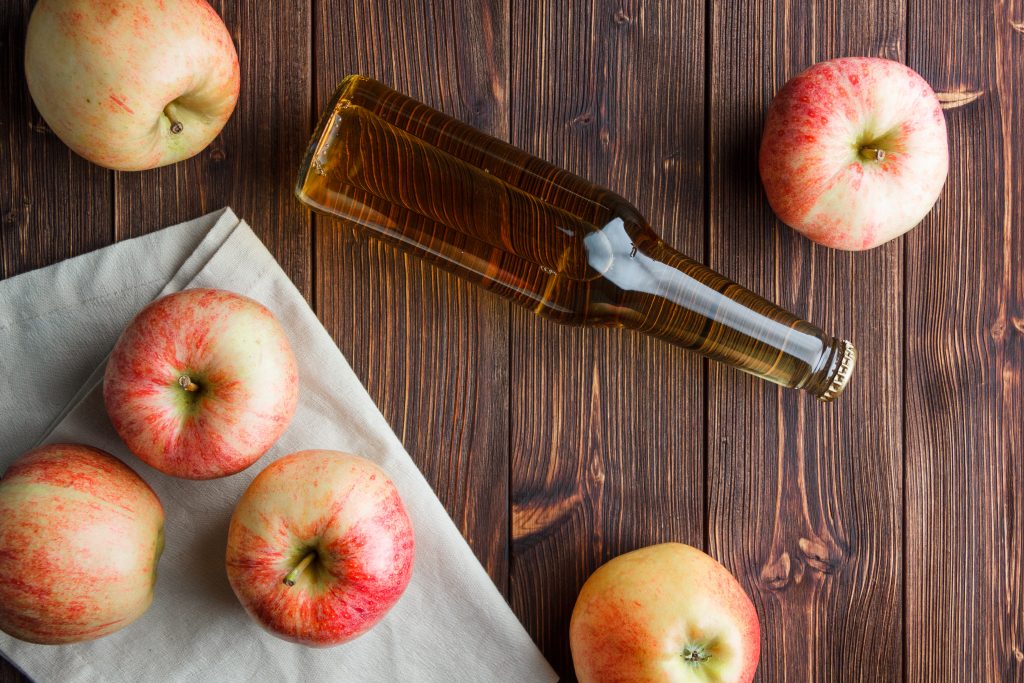
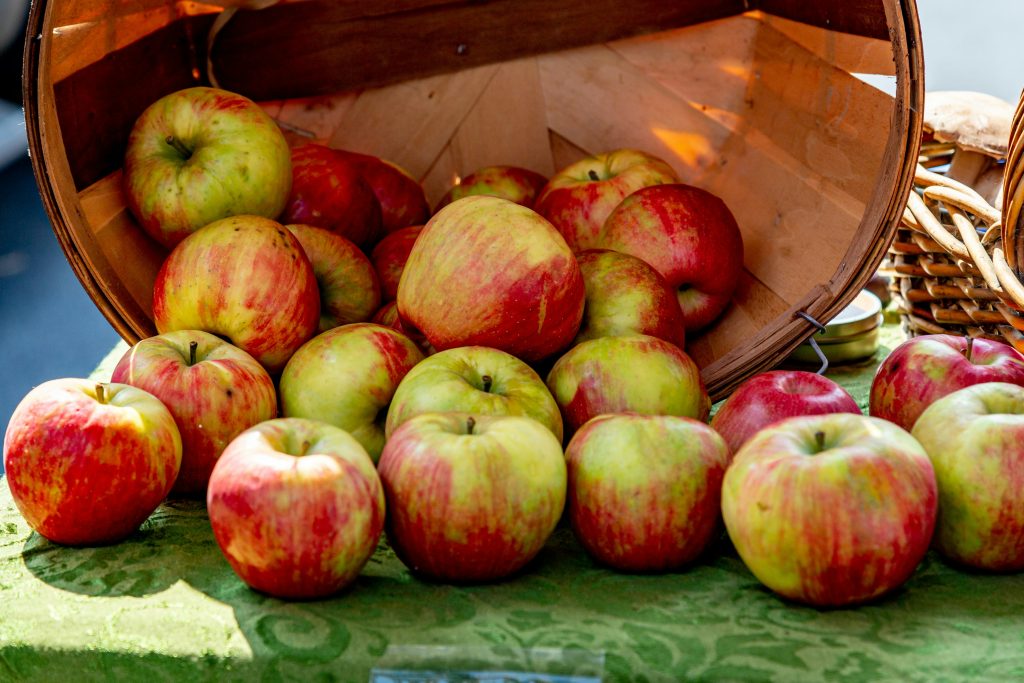
For the purists, making hard apple cider directly from fresh apples is the ultimate adventure. You begin by choosing apple varieties, sweet ones like Fuji or Honeycrisp, and tart ones like Granny Smith, to balance flavor. After washing and pressing the apples, you collect the juice and let fermentation begin.
Using fresh apples means you control the flavor profile completely. Each batch tells a story of the season, the soil, and the orchard where the apples grew. It’s a labor of love, but one that cider enthusiasts say is unbeatable in taste and quality.
Hard Apple Cider Alcohol
One of the most common questions people ask is, “How strong is hard apple cider?” The answer depends on the recipe, fermentation time, and sugar levels. Typically, it ranges from 4% to 7% alcohol by volume, similar to beer.
This moderate alcohol level makes it a refreshing drink for social settings. You can enjoy it without feeling overwhelmed, and many brands even produce light versions for those seeking a lower-calorie option.
How to Make Alcoholic Apple Cider from Fresh Apples
If you’re wondering specifically how to make alcoholic apple cider from fresh apples, the process involves one key step: fermentation. Once apples are pressed into juice, yeast (either wild or added) converts sugars into alcohol. If you want a guaranteed alcoholic kick, you can enhance your hard apple cider by adding sugar or honey before fermentation. This increases the alcohol content as the yeast feeds on the extra sugar. Some home brewers also experiment with spices like cinnamon or cloves to create festive flavors.
The alcohol is what transforms ordinary juice into cider. With fresh apples, you get maximum flavor, and the fermentation process ensures a natural balance of sweetness and dryness. Making alcoholic cider from scratch gives you the freedom to tailor it to your taste. Whether you prefer a sweet, tangy, or dry sip, fresh apples are a perfect base for experimentation.

How to Make Hard Cider Without Yeast
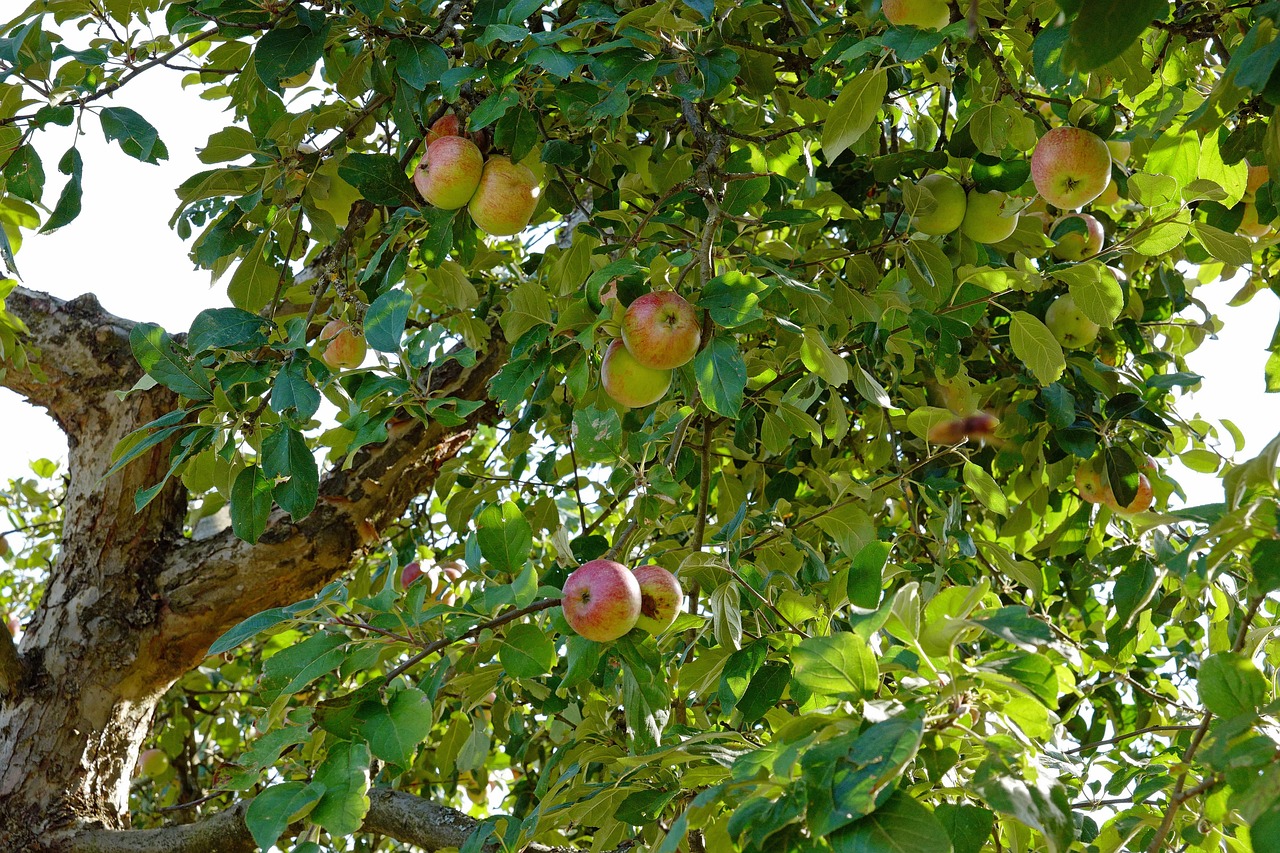
Did you know you can make hard apple cider without adding yeast? Apples naturally carry wild yeast on their skins. When you crush them and let the juice sit, this yeast begins fermentation all by itself. This ancient technique has been used for centuries and results in unique, earthy flavors.
Of course, the process can be unpredictable. Without commercial yeast, you don’t have full control over the final taste. But many cider lovers enjoy this “wild” approach because it feels authentic and brings out surprising flavor notes.
Best Hard Apple Cider
The “best” hard apple cider is subjective, but in the US, some brands are loved nationwide. Popular ones include Angry Orchard, Woodchuck, and Crispin. These brands offer everything from dry to sweet, sparkling to still.
For many cider fans, the best isn’t just about taste but also the experience. It’s about drinking it cold on a summer night, pairing it with a cozy autumn meal, or sharing it with friends at a festival. That emotional connection often defines what “best” means.
Caramel Apple Hard Cider
Fall flavors shine brightest with caramel apple hard cider. This variety takes traditional hard apple cider and infuses it with a sweet, candy-like caramel taste. Imagine sipping something that tastes like a caramel-dipped apple, but with a refreshing fizz!
It’s especially popular around Halloween and Thanksgiving in the US, where seasonal drinks are part of the celebration. Many bars and breweries release limited-edition caramel apple versions to capture that nostalgic holiday spirit.
Can You Use Apple Juice Concentrate for Hard Cider?
Yes! If fresh apples or unpasteurized juice aren’t available, apple juice concentrate can serve as a base for hard apple cider. Simply dilute the concentrate with water, add sugar if desired, and let it ferment.
The flavor might not be as complex as fresh-pressed apples, but it’s an accessible and affordable option. Many first-time brewers start with concentrate before moving on to more advanced methods.
The Benefits of Hard Apple Cider
Beyond taste, hard apple cider offers some surprising benefits. Apples are naturally rich in antioxidants, and while fermentation changes some of their properties, many beneficial compounds remain. Light to moderate consumption has been linked to heart health and reduced inflammation.
Emotionally, cider carries social and cultural benefits too. Sharing a bottle can spark laughter, storytelling, and connection with friends and family. It’s not just about what’s in the glass, it’s about the moments it creates.
How to Bottle and Store Hard Apple Cider
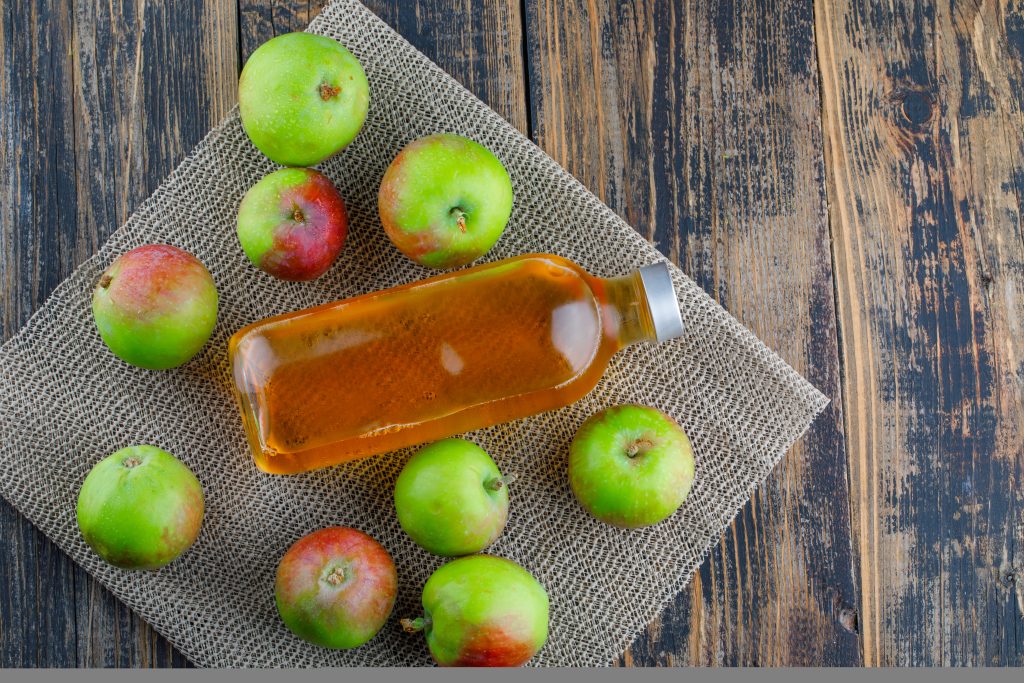
Once your hard apple cider is ready, bottling and storing it properly is essential. Many home brewers use glass bottles with airtight caps to preserve freshness. Pasteurizing or refrigerating bottles prevents re-fermentation and keeps the cider stable.
Stored in a cool, dark place, bottled cider can last for months or even years, depending on how it’s prepared. Every sip later on reminds you of the effort, patience, and care that went into crafting it.
Conclusion
Hard apple cider is more than a drink; it’s a celebration of apples, tradition, and togetherness. From learning how to make it naturally to enjoying seasonal twists like caramel apple cider, it offers endless ways to connect with both flavor and culture. Whether you buy it at your local store or craft it from scratch, each sip is a reminder of simple joys and timeless traditions.
So next time you raise a glass of hard apple cider, remember, you’re not just drinking a beverage, you’re tasting history, community, and a little piece of orchard magic.
FAQs
1. Is hard apple cider gluten-free?
Yes! Since it’s made from apples, most ciders are naturally gluten-free, making them a safe choice for people with gluten intolerance.
2. Can hard apple cider go bad?
Yes, if not stored properly. An off smell or sour taste can indicate spoilage. Always refrigerate opened bottles.
3. What food pairs well with hard apple cider?
It pairs beautifully with cheese, roasted meats, and autumn desserts like apple pie. Its sweet-tart balance complements rich dishes.
4. Is homemade cider healthier than store-bought?
Homemade versions are often healthier since you control sugar levels and additives. Store-bought ciders may contain extra sweeteners.
5. How long does it take to make hard apple cider?
On average, fermentation takes 2 to 4 weeks, but aging for several months often improves the flavor.